

Dear friends in magic,
This month we offer a Museletter from Magic & Mystery School Instructor Daryl Rogers.
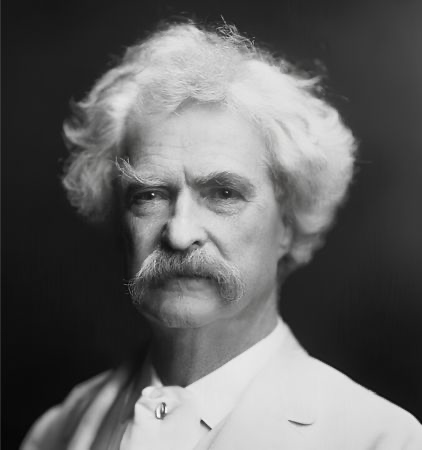
In June of 1897, newspapers across America carried alarming reports from London that Mark Twain was gravely ill, destitute, and near death. The stories painted a bleak picture of the beloved author, claiming that his health had failed, his brilliant mind had faded, and that the world had perhaps seen the last of his genius.
When a reporter finally reached Twain in London, he was somewhere between amused and annoyed. The stories, he explained, were greatly exaggerated. Twain was very much alive.
I can’t help but think of that story whenever the conversation turns to the future of magic clubs. Spend enough time around magicians and you’ll eventually hear someone declare that the magic clubs are dying. Membership is shrinking. Meetings are smaller. The average age keeps climbing. Young people don’t seem interested anymore. It’s an easy conclusion to reach, and on the surface, the evidence appears convincing.
But I wonder if we’re asking the wrong questions. Perhaps these familiar concerns are symptoms rather than causes. Before we write the obituary for organizations like the I.B.M. and the S.A.M., it might be worth taking a closer look at what we’re actually seeing. The future of magic clubs may not be nearly as bleak as we imagine – but understanding why requires us to separate perception from reality.
Perception: Magic Clubs Were Once Bigger
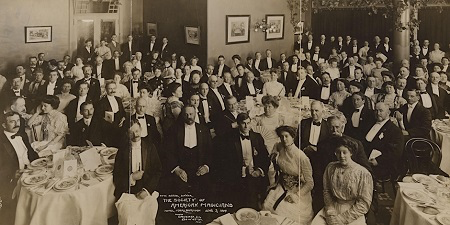
Many members look back fondly on the “good old days” when club meetings filled banquet rooms, conventions drew hundreds of attendees, and every city seemed to have an active Ring or Assembly. Compared to those memories, today’s attendance can feel discouraging. It’s tempting to assume that fewer members automatically means a weaker organization.
The reality is more complicated. Organizations like the I.B.M. and the S.A.M. were founded during an era when fraternal organizations flourished. Their structure reflected groups such as the Masons, Elks, and Rotary Clubs, where membership was made up primarily of established professionals and successful businesspeople. Joining a club was part of civic and professional life.
Society has changed dramatically since then. People have more demands on their time, more entertainment options, and more ways to connect than ever before. Measuring today’s clubs against the social norms of a century ago isn’t necessarily a fair comparison. The question isn’t whether clubs are as large as they once were; it’s whether they continue to provide value to the people who belong to them.
Perception: Our Members Are Getting Older
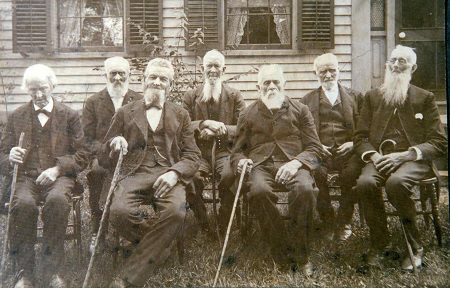
Walk into many club meetings and you’ll notice plenty of gray hair. It’s easy to conclude that the next generation simply isn’t replacing those who came before. If the average age continues to rise, some fear the clubs will simply fade away.
But perhaps that’s exactly what we should expect. Many magicians discover the art as children, then set it aside while careers, marriages, mortgages, and raising families take center stage. Magic becomes a treasured memory rather than an active pursuit. Years later, when life begins to slow down and disposable income and free time return, so do many of those same people. They dust off the props they packed away decades earlier and rediscover the wonder that first captivated them. Older members are not necessarily evidence of decline, they are often evidence of magic’s remarkable ability to call people home!
Perception: Young People Aren’t Interested in Magic
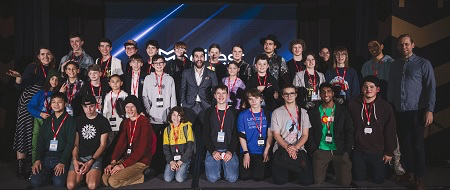
Perhaps the greatest concern is that younger generations simply don’t care about magic. If they aren’t showing up at club meetings, the assumption is that they must have moved on to other interests.
I don’t believe that’s true. In fact, I think there are as many young people fascinated by magic today as there have ever been. They watch performances online, learn from YouTube, buy effects from online dealers, attend conventions, and connect with magicians through social media. Their interest hasn’t disappeared, it has simply migrated. The challenge isn’t convincing young people to love magic. They already do. The challenge is helping traditional organizations become relevant to the ways this generation discovers, learns, and shares the art.
Looking Ahead
None of this means our clubs can afford to become complacent. Every organization should continually ask how it can better serve its members and welcome new ones. Change is inevitable, and successful clubs will be those willing to evolve while remaining true to their purpose.
But I remain optimistic. Magic has survived wars, depressions, changing technologies, and dramatic shifts in culture. It has adapted from vaudeville to television, from books to streaming video, from lecture halls to Zoom. Through it all, one thing has remained constant: people are still drawn to mystery, friendship, and the joy of sharing the impossible.
Perhaps the future of our clubs doesn’t depend on turning back the clock. Perhaps it depends on recognizing that the love of magic is still very much alive, it simply looks different than it did before. If we embrace that reality while continuing to welcome, mentor, and inspire one another, I believe the best chapters in the story of the I.B.M. and the S.A.M. are still waiting to be written.
Daryl Rogers
Green Bay, Wisconsin
September 2026